For almost nearly 150 years, Swindon was home to the railway works of the Great Western Railway (GWR). For Heritage Open Days 2025, we charted the changes in the area’s historic built environment, to explore what heritage can be.
Opening in 1843 with 180 employees, the GWR Works drew people from across the UK to Swindon, transforming the area into a bustling railway town. In the 1980s, following a campaign to save it from demolition, the village was designated as the Swindon Railway Conservation Area. Today, the area is now home to over 80 listed buildings.
Donald Insall Associates has been involved in a range of activities in support of projects across the Railway Conservation Area, from assessing overall conservation management strategies to collaborating with Design Teams on the repair and conservation of individual buildings, and supporting projects looking at the creative re-use of buildings.
“Heritage is not just a reflection of the past—it inspires our collective future, with the potential to be adapted so that it can be lastingly used and enjoyed by people and communities.” — Christopher Bell, DIA associate director.
-
Carriage Works
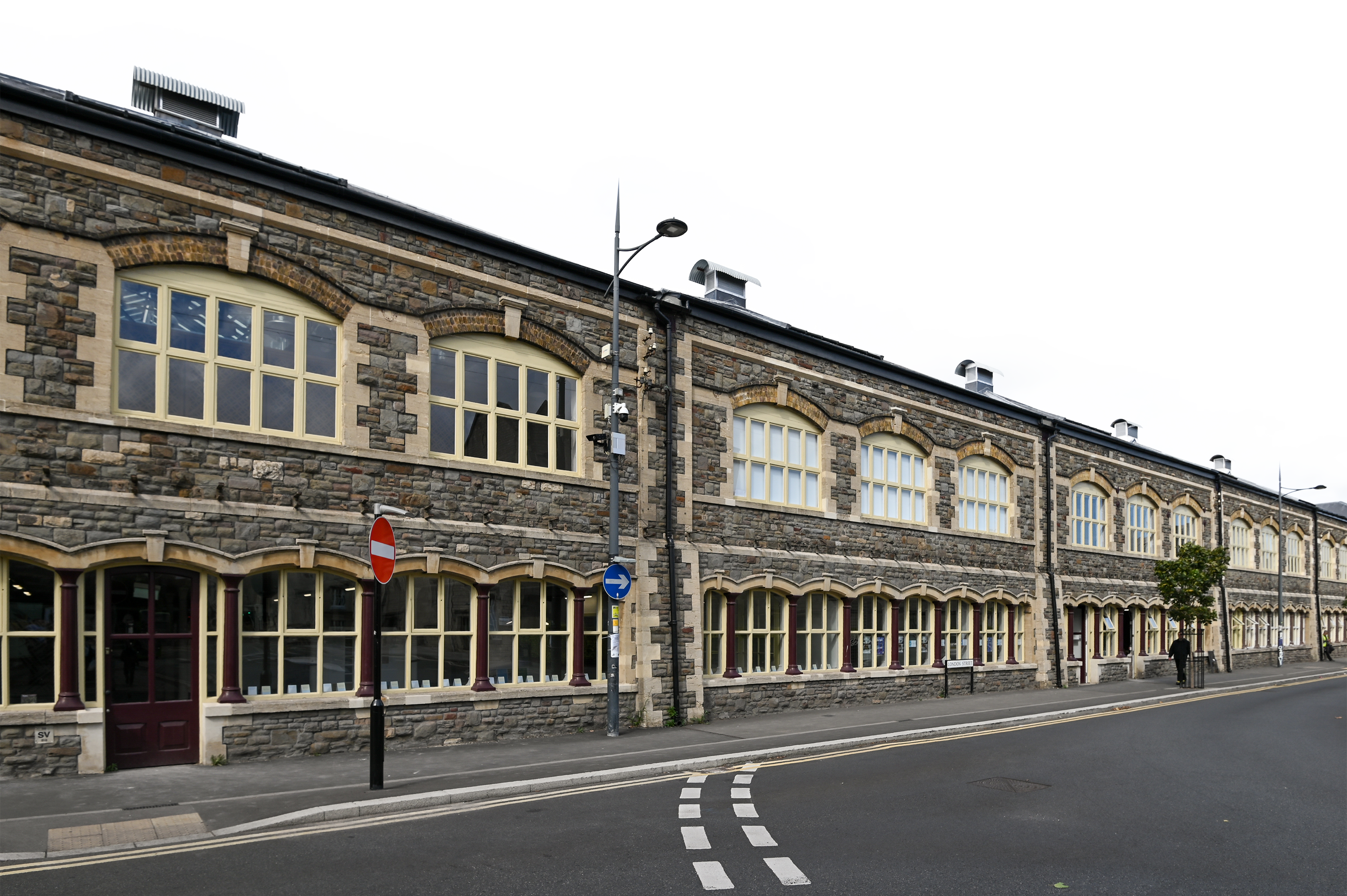
The Grade II-listed Carriage Works were built in 1876 and a part of the GWR Works. Following closure in 1962, the building sat derelict for nearly 50 years, while the main Industrial Estate was subdivided and offered simple shed accommodation for light industrial uses.
-
The Cricketers Arms
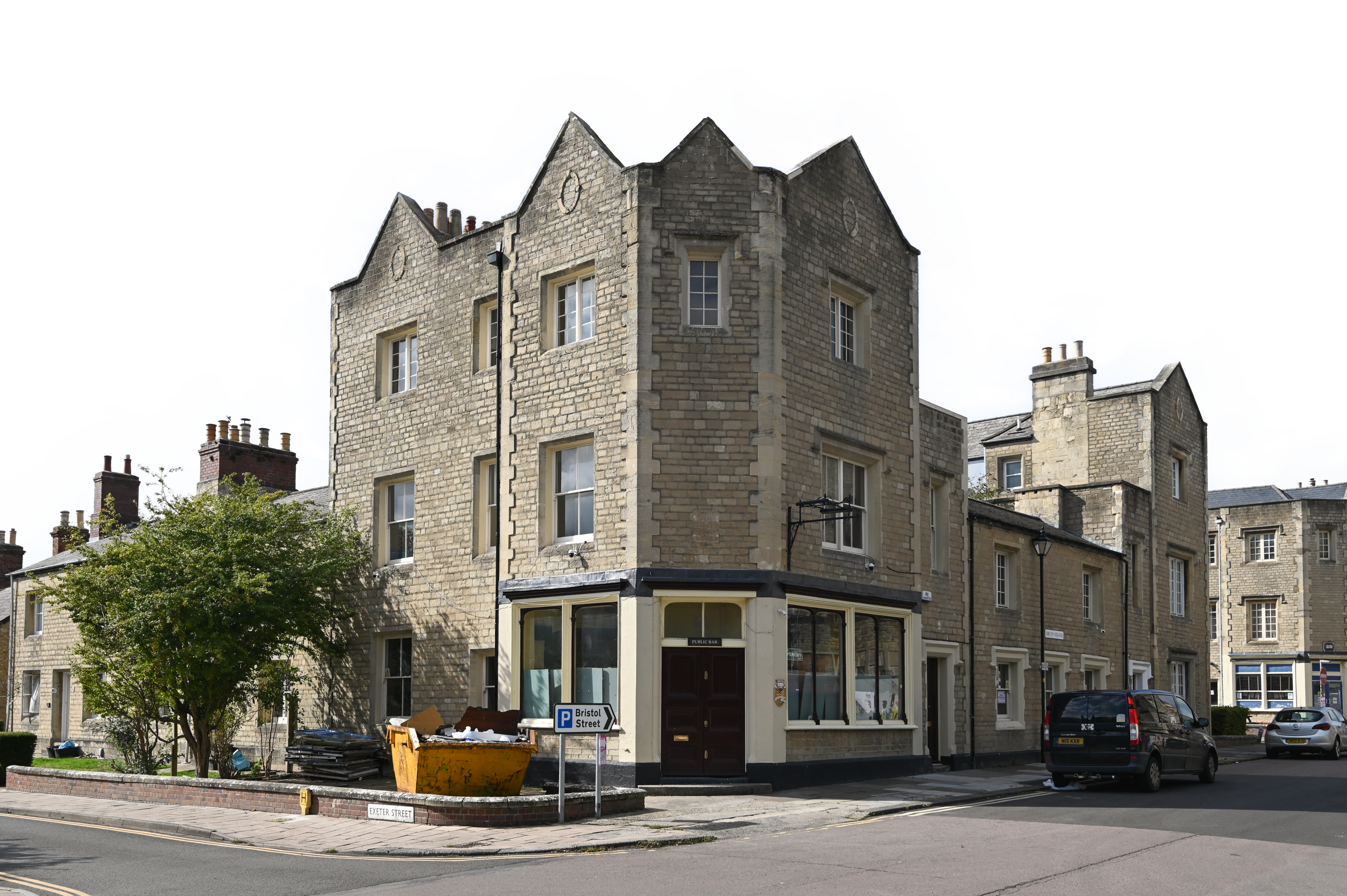
The Grade II-listed Cricketer’s Arms is one of eight shop premises designed to face the High Street and serve the Railway Village. Works are underway to revitalise the site into a mixed-use development containing a community centre and four private let units.
-
Swindon Health Hydro
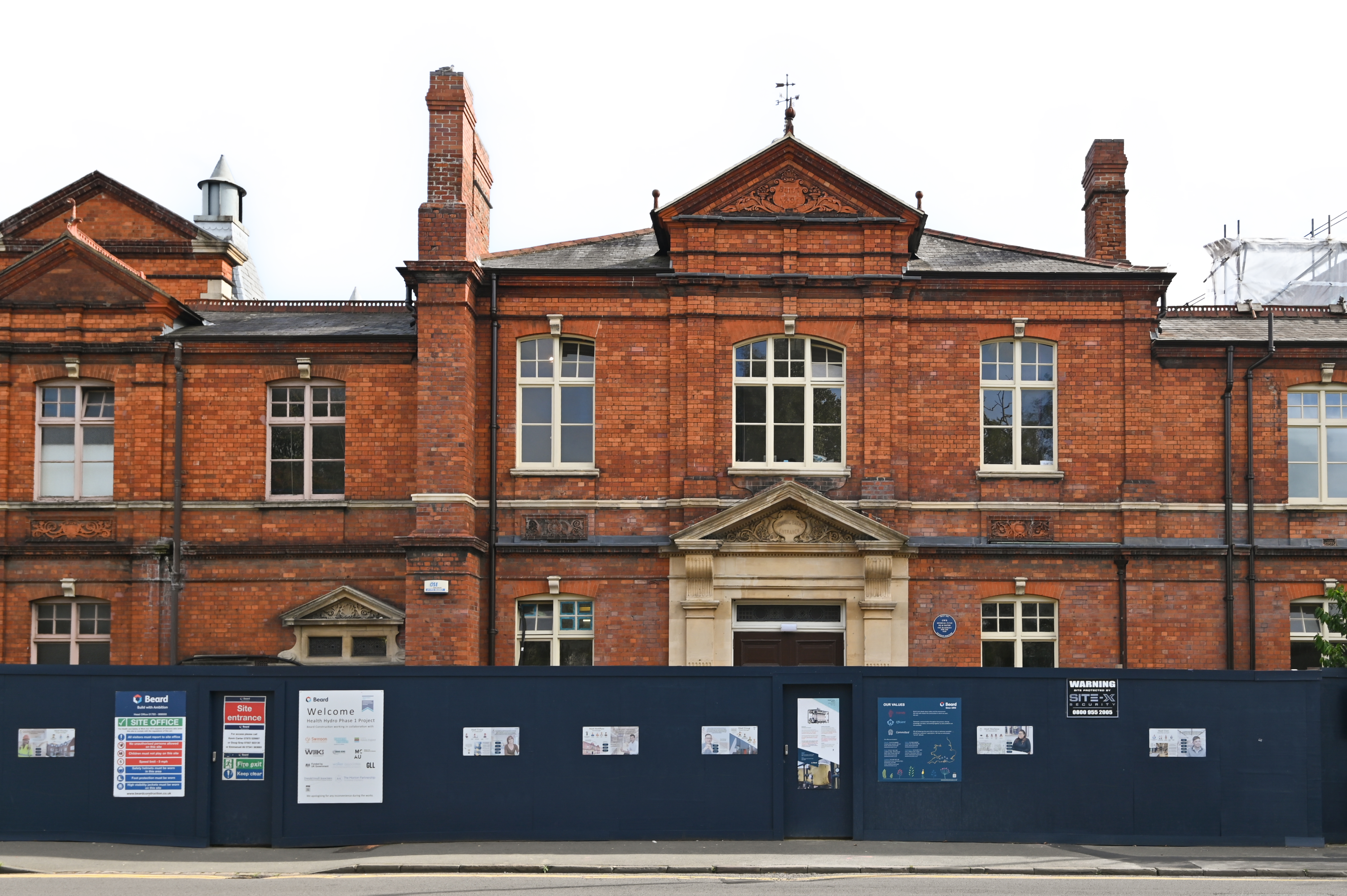
The Swindon Health Hydro was built in 1892 to bring together sports, leisure and health facilities, and saerved all of Swindon. Over the years, it fell into poor condition. Now, the site is undergoing a transformative restoration programme and is set to reopen to the public in 2026 after the first phase of works.
Swindon Health Hydro: collaboration in heritage
The Swindon Health Hydro was built in 1892 to bring together sports, leisure and health facilities. Originally designed and constructed by the GWR workers in 1892, the Grade II*-listed Victorian building served all of Swindon. Over the years, it fell into poor condition. Now, the site is undergoing a transformative restoration programme and is set to reopen to the public in 2026 after the first phase of works.
As befits an urban centre which was, at its height part of the largest industrial complex in Europe, the key to identifying delivering conservation projects involves multiple different parties, from local residents and societies, to clients, funders, designers, consultants, planning and heritage officers, contractors, specialists and other collaborators. Without working together, these projects are not possible. The key thing that heritage must be is an ongoing conversation, particularly when working within communities.


The Carriage Works: economically viable opportunities
The Grade II-listed Carriage Works were built in 1876 and a part of the GWR Works.
Donald Insall Associates were appointed to revitalise the building’s façade. The works included repairs to external stonework and guttering, alongside the repair, reglazing, and redecoration of windows and doors.
Metropolitan Workshop delivered the Workshed: Business Incubator in 2018, the RAU in 2020, and iCAST in 2021. BBA Architects led the delivery of major structural works and internal fit-out for Create Studios and is currently delivering a further 2,000 sq. ft of flexible office and educational spaces, scheduled for completion by 2026.
The secured and brightened façade marks a significant step not only in the transformation of the Carriage Works but also Swindon. The project is an important part of the Swindon Heritage Action Zone, and its goal to unlock the economic potential of the town’s heritage.


The Cricketer’s Arms: heritage adapted
At the Grade II-listed Cricketer’s Arms, works are underway to revitalise the site into a mixed-use development containing a community centre and four private let units.
When retaining single glazing, the difference between a well-maintained, dry, draught-sealed window is night and day; improving building performance and retaining attractive historic features can go hand-in-hand. The original windows have all been kept, with new timber added to replace rotten pieces where needed, new glass where panes were broken, draft strips to help improve the comfort of spaces within, and a good redecoration.


